
Yennayer in Morocco: How the Amazigh New Year Is Celebrated
Yennayer in Morocco is one of the country’s oldest and most meaningful cultural celebrations. Known as the Amazigh New Year, it brings families and communities together around traditional food, music, stories and wishes for a prosperous year. The occasion is closely connected to the land, the agricultural calendar and the Amazigh heritage that has shaped Morocco for centuries.
For travelers, understanding Yennayer in Morocco offers a deeper look at the country beyond its famous medinas and landscapes. The celebration shows how ancient customs can remain alive while becoming part of modern national life. From family meals in rural homes to cultural events in major cities, Yennayer represents identity, renewal and hope for the year ahead.
Yennayer in Morocco and Its Cultural Origins
Yennayer marks the beginning of the Amazigh calendar year. The Amazigh are the Indigenous people of North Africa, and their language, music, crafts and traditions form an essential part of Moroccan culture.
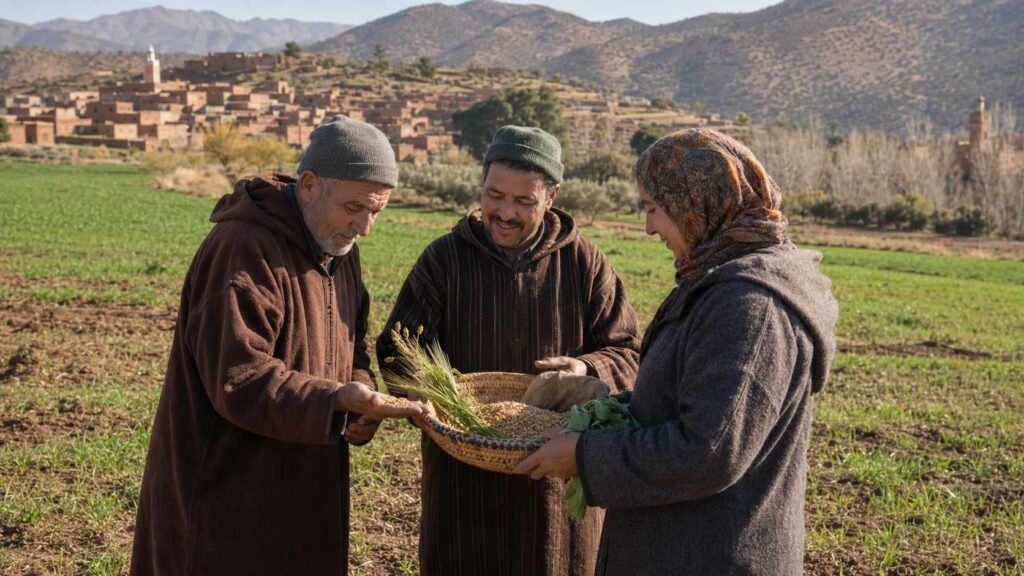
The celebration developed within communities whose daily lives were closely connected to farming and the changing seasons. For that reason, Yennayer is more than a change of date. It traditionally marks a new stage in the agricultural cycle and expresses hope for rain, fertile land and a successful harvest.
Many customs were passed from parents and grandparents to younger generations without being written down. Meals, sayings, songs and family rituals therefore became important ways of preserving the meaning of Yennayer in Morocco.
When Is Yennayer Celebrated in Morocco?
Morocco officially celebrates the Amazigh New Year on January 14. The date is now listed among the country’s national holidays.
In May 2023, King Mohammed VI approved the Amazigh New Year as an official paid national holiday. This decision gave national recognition to a celebration that Moroccan families and Amazigh communities had observed for generations.
Travelers may still hear about celebrations taking place between January 12 and January 14. Dates and local customs have not always been identical across North Africa or even between Moroccan regions. However, January 14 is the official public-holiday date in Morocco.
Yennayer in Morocco and the Agricultural Calendar
The traditional Amazigh calendar is strongly connected to agriculture. Long before modern calendars organized daily life, farmers followed the seasons to decide when to prepare fields, plant crops and expect changes in the weather.
Yennayer arrives in the middle of winter, an important period for rural communities. Rainfall and the condition of the land can influence the harvest that will come later in the year. The new year therefore carries wishes for abundance, food security and healthy crops.
This agricultural meaning explains why grains, vegetables, nuts and other products of the land often appear in Yennayer meals. The celebration expresses gratitude for what the earth has provided while welcoming the next farming cycle with optimism.
Family Gatherings During Yennayer
Family is at the center of Yennayer in Morocco. Relatives may gather in one home, prepare a generous meal and spend the evening talking together. Older family members often explain the customs to children and share memories of how the occasion was celebrated in the past.
The atmosphere is generally warm and communal. Everyone may participate in the preparations, whether by cooking, arranging the table, welcoming relatives or helping younger children dress for the occasion.
These gatherings have an important cultural purpose. They allow traditions to move naturally from one generation to the next. A child who watches a grandparent prepare a special dish or listens to an old story becomes part of the continuing history of Yennayer.
Traditional Foods Prepared for Yennayer
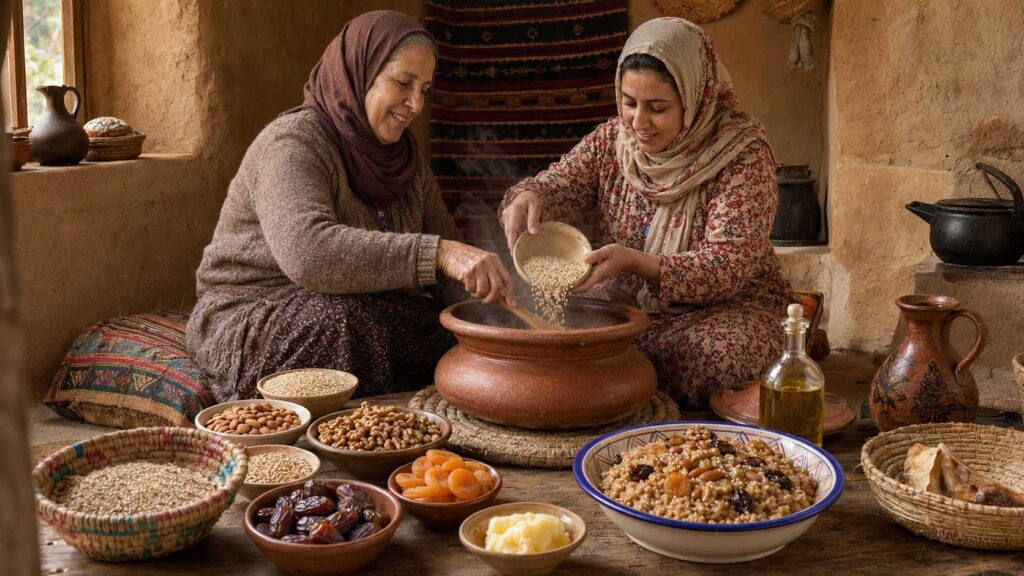
Food is one of the most visible parts of Yennayer in Morocco. Families prepare filling dishes that symbolize abundance and the hope that the household will have enough food throughout the coming year.
The exact menu changes according to the region and the family. Common foods may include:
- Couscous with seasonal vegetables
- Tagoula, a warm preparation made from barley or other grains
- Traditional breads
- Dried fruits and nuts
- Dates, almonds and walnuts
- Local soups or grain-based dishes
Tagoula is especially associated with some communities in southern Morocco. It is simple, nourishing and closely linked to the agricultural character of the celebration. Depending on local practice, it may be served with ingredients such as argan oil, honey or butter.
The importance of the meal does not come from luxury. Its deeper meaning lies in sharing. A full communal dish represents generosity, family unity and hopes for a year without shortage.
The Meaning Behind Grains, Nuts and Seasonal Ingredients
Ingredients used during Yennayer are often chosen for their symbolic relationship with fertility and abundance. Grains contain the promise of future crops, while nuts, dates and dried fruits represent the products that families have gathered and preserved.
A meal containing many ingredients can symbolize the wish for a rich and varied year. In some households, children receive mixtures of nuts, sweets and dried fruits, turning the occasion into a happy family memory.
These traditions also reflect practical rural knowledge. Before modern food distribution, preserved ingredients helped communities through winter. Serving them at the new year connected celebration with the realities of the agricultural year.
Music, Dance and Traditional Clothing
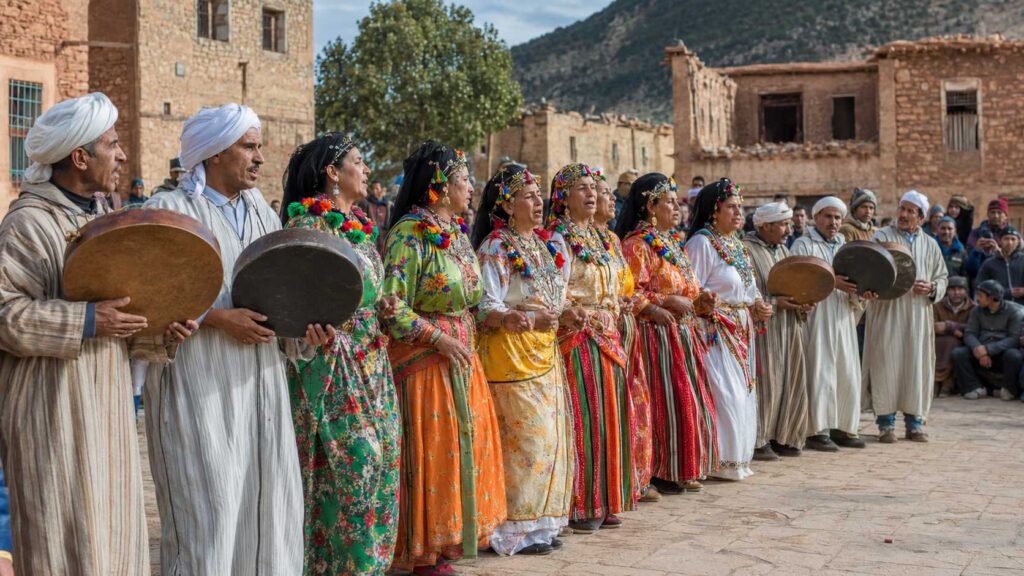
Public celebrations of Yennayer in Morocco often include Amazigh music and collective dance. Performances may feature drums, poetry and regional styles such as Ahidous in parts of the Middle Atlas or Ahwash in southern Morocco.
These artistic traditions are not simply entertainment. Music and poetry have long helped Amazigh communities preserve local history, values and language. A public Yennayer performance can therefore be both festive and educational.
Traditional clothing may also be worn during cultural events. Colorful fabrics, embroidered garments and silver jewelry display the craftsmanship of different Moroccan regions. Because styles vary widely, the clothing also demonstrates the diversity found within Amazigh culture itself.
Storytelling and the Role of Older Generations
Oral tradition has always played an important role in Moroccan family life. During Yennayer, older relatives may share proverbs, folktales or memories connected to winter, farming and the beginning of a new year.
Some stories explain natural events through memorable characters and lessons. Others teach patience, respect for the land or the importance of cooperation within the community. The details may change from one place to another because oral stories develop as they pass between generations.
Listening is therefore part of the celebration. Through stories, younger people learn not only what their families do during Yennayer, but also why these customs matter.
How Yennayer Traditions Differ Across Morocco
There is no single way to celebrate Yennayer in Morocco. Customs can vary between the Rif, the Middle Atlas, the High Atlas, the Souss region, southeastern oases and large cities.
One community may prepare tagoula, while another places couscous at the center of the meal. Some families celebrate quietly at home. Others attend concerts, exhibitions or community gatherings. The words used for the occasion and the style of music may also differ according to the local Amazigh language and regional traditions.
This variety should not be seen as a contradiction. It is evidence of Morocco’s cultural richness. The shared ideas of renewal, family, land and abundance connect the different celebrations.
Yennayer in Modern Moroccan Cities
Today, Yennayer is increasingly visible in cities as well as rural areas. Cultural associations, schools, museums and public institutions may organize concerts, lectures, craft exhibitions and activities for children.
Urban celebrations allow people who live far from their family regions to reconnect with Amazigh heritage. They also introduce the tradition to Moroccans from different backgrounds and to international visitors.
Social media and television have given Yennayer even greater visibility. Traditional recipes, greetings and music are shared online, helping younger generations discover customs that might otherwise remain limited to particular communities.
Although the setting is modern, the central message remains familiar: remember the past, gather with others and welcome the new year with hope.
Why Official Recognition of Yennayer Matters
The recognition of Yennayer as a national holiday is culturally significant. It places Amazigh heritage within the shared national story of Morocco and acknowledges a tradition with deep roots in the country.
Tamazight has been an official language of Morocco since the 2011 Constitution. Making the Amazigh New Year a public holiday added another visible form of recognition to the country’s cultural life.
The holiday also creates opportunities for education. Schools, cultural centers and families can use the occasion to teach younger people about Amazigh language, history, agriculture, music and craftsmanship.
For many Moroccans, Yennayer is therefore both a family tradition and a celebration of the country’s diverse identity.
What Travelers Should Know About Yennayer in Morocco
Travelers visiting in mid-January may see cultural programs, traditional performances or special meals connected to Yennayer. Because January 14 is a national holiday, some public offices, banks and businesses may close or operate on different hours.
Visitors should remember that many family celebrations are private. An invitation to a home or community meal should be treated with appreciation and respect. Following the host’s example is usually the best approach.
It is also helpful to avoid assuming that every region celebrates in exactly the same way. Asking respectful questions can lead to interesting conversations about local food, language and family customs.
A common Amazigh New Year greeting is “Assegwas Amaynu,” although spelling and pronunciation may vary between Amazigh language varieties. Using a local greeting with respect is a simple way to show interest in the occasion.
Yennayer and the Preservation of Amazigh Heritage
Yennayer helps keep many forms of cultural knowledge alive. A single celebration can bring together cuisine, music, dance, oral history, traditional clothing and agricultural customs.
Its preservation does not mean that every practice must remain unchanged. Traditions naturally adapt as families move to cities, younger generations use new technology and public institutions organize larger events.
What matters is that the core meaning continues. Yennayer in Morocco connects people with their heritage, their families and the land while giving them a hopeful beginning to a new year.
1. What is Yennayer in Morocco?
Yennayer in Morocco is the Amazigh New Year and the beginning of the traditional Amazigh calendar year. It is a cultural celebration associated with family, agriculture, renewal and hopes for abundance in the coming year.
2. When is Yennayer celebrated in Morocco?
Yennayer is officially celebrated in Morocco on January 14. Some traditional observances in Morocco and elsewhere in North Africa may take place on nearby dates, but January 14 is the national public-holiday date in Morocco.
3. Is Yennayer an official holiday in Morocco?
Yes. In 2023, King Mohammed VI approved the Amazigh New Year as an official paid national holiday. It is now included in Morocco’s calendar of national holidays.
4. Can travelers experience Yennayer celebrations in Morocco?
Yes. Travelers visiting around January 14 may find concerts, cultural exhibitions, traditional music and community events, especially in areas with strong Amazigh heritage and in major cities. Private family meals require an invitation, and visitors should always participate respectfully.
5. What is the best time to visit Tafraoute during almond blossom season?
Mid-February to early March is generally considered the best period to see peak almond blossoms in the Tafraoute region.
Yennayer in Morocco is far more than the first day of a calendar. It is a celebration of Amazigh heritage, family unity, agricultural knowledge and hope for the future. Traditional meals honor the products of the land, while music, clothing and storytelling keep regional identities alive.
Its recognition as a national holiday has made the celebration more visible across the country. Yet its deepest meaning can still be found in simple moments: relatives gathering around one dish, elders sharing memories and children learning customs that have crossed generations.
As Yennayer becomes more visible in modern Morocco, which tradition do you think is most important to preserve for future generations?