
Morocco’s Atlas Mountains: An Essential Guide
The Atlas Mountains in Morocco are not a single mountain destination but a vast system of ranges, valleys, villages, plateaus, and protected landscapes stretching across much of the country. For travelers, that means the experience can vary dramatically: a gentle day in the Ourika Valley is very different from a multi-day trek toward Mount Toubkal.
The most important range for visitors is the High Atlas, particularly the area south of Marrakech. It contains Mount Toubkal, Morocco’s highest mountain at 4,167 meters, as well as valleys such as Imlil and Ourika. The Middle Atlas offers forests, lakes, and cooler mountain landscapes, while the drier Anti-Atlas has a very different character.
This guide explains where the Atlas Mountains are, which areas are worth visiting, what you can do there, when to go, how long to stay, and what to expect if you are planning a hike or trek.
What Are the Atlas Mountains in Morocco?
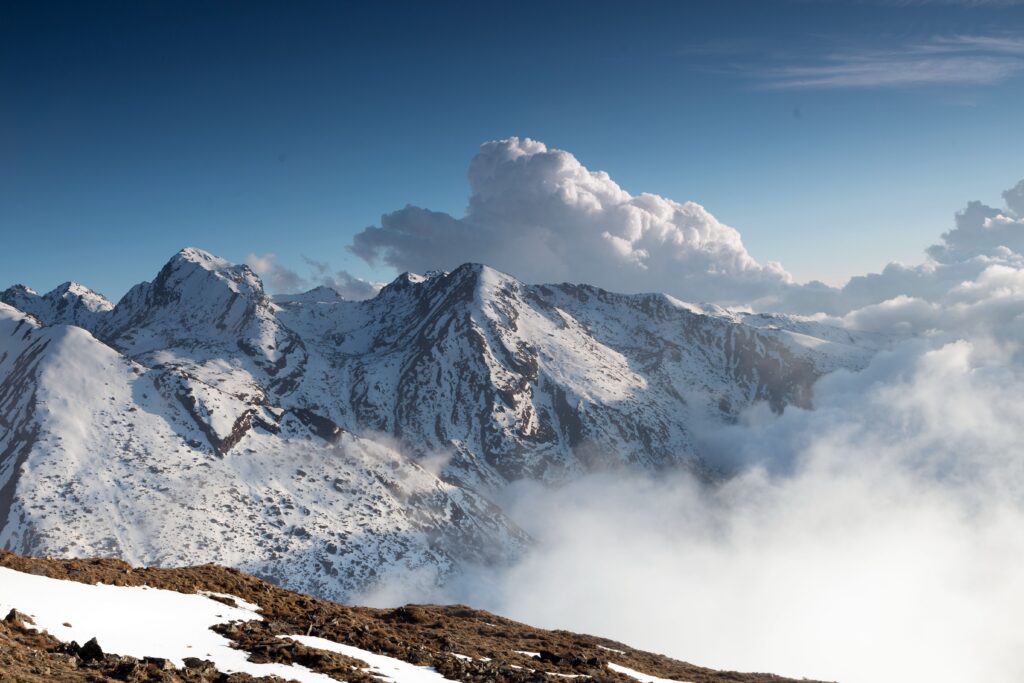
The Atlas Mountains are a major mountain system extending across Morocco and North Africa. In Morocco, travelers generally encounter three main ranges: the High Atlas, Middle Atlas, and Anti-Atlas. They differ considerably in elevation, landscape, climate, and travel experiences.
High Atlas
The High Atlas is the highest and most dramatic of Morocco’s Atlas ranges. It stretches across central Morocco and includes Mount Toubkal, which rises to 4,167 meters and is the highest peak in Morocco and North Africa.
This is the range most visitors have in mind when they search for the Atlas Mountains from Marrakech. Its valleys contain Amazigh communities, agricultural terraces, mountain villages, and hiking routes ranging from relatively short walks to demanding high-altitude treks.
Middle Atlas
The Middle Atlas lies farther northeast and is particularly known for forests, lakes, springs, plateaus, and cooler mountain landscapes.
Ifrane, Azrou, and surrounding areas provide access to this part of the mountains. The scenery is different from the High Atlas. Instead of focusing primarily on rugged high peaks, travelers can encounter cedar forests, green landscapes, lakes, and mountain environments.
Anti-Atlas
The Anti-Atlas lies farther south and is generally more arid. Its landscapes form a transition between the High Atlas and the Saharan regions, with rocky mountains, dry valleys, and distinctive geological scenery.
Its highest peak is Jbel Siroua, at around 3,300 meters. The range is particularly relevant to travelers exploring southern Morocco around areas such as Tafraoute and routes toward the Sahara.
Where Are the Atlas Mountains Located?
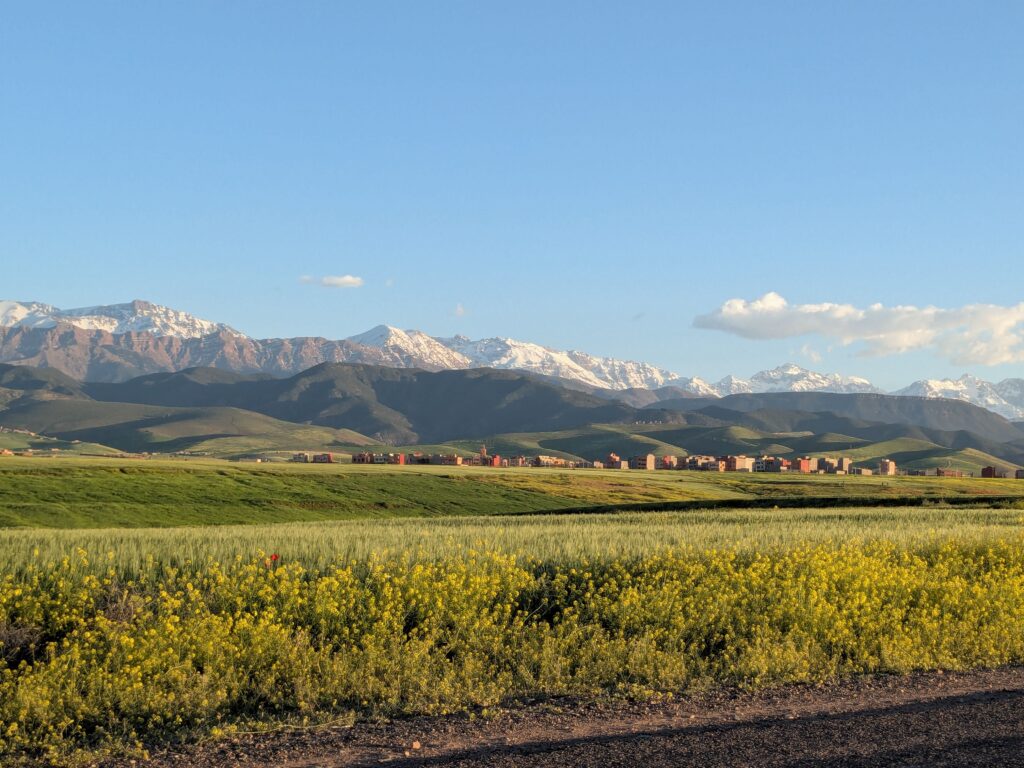
The Atlas Mountains cross a large part of Morocco, so there is no single town that can be described as “the entrance” to the mountains.
For travelers, the High Atlas south of Marrakech is usually the easiest area to access. Marrakech sits on the plains north of the mountains, making the city a practical base for day trips and longer mountain excursions.
Other important geographical connections include:
- Marrakech: a common base for exploring the western High Atlas.
- Azilal: an access point for areas such as Aït Bouguemez and Ouzoud.
- Beni Mellal: associated with the Middle Atlas and surrounding mountain landscapes.
- Ouarzazate: positioned south of the High Atlas and connected to mountain passes and valleys.
- Fes: a useful starting point for exploring the Middle Atlas around Ifrane and Azrou.
This distinction matters when planning your itinerary. A trip to Imlil, for example, should not be treated as interchangeable with a visit to Ifrane or the Ouzoud area.
Best Places to Visit in the Atlas Mountains
There is no single best Atlas Mountains destination for every traveler. Your choice should depend on whether you want hiking, scenery, villages, waterfalls, photography, wildlife, or a serious mountain trek.
Imlil
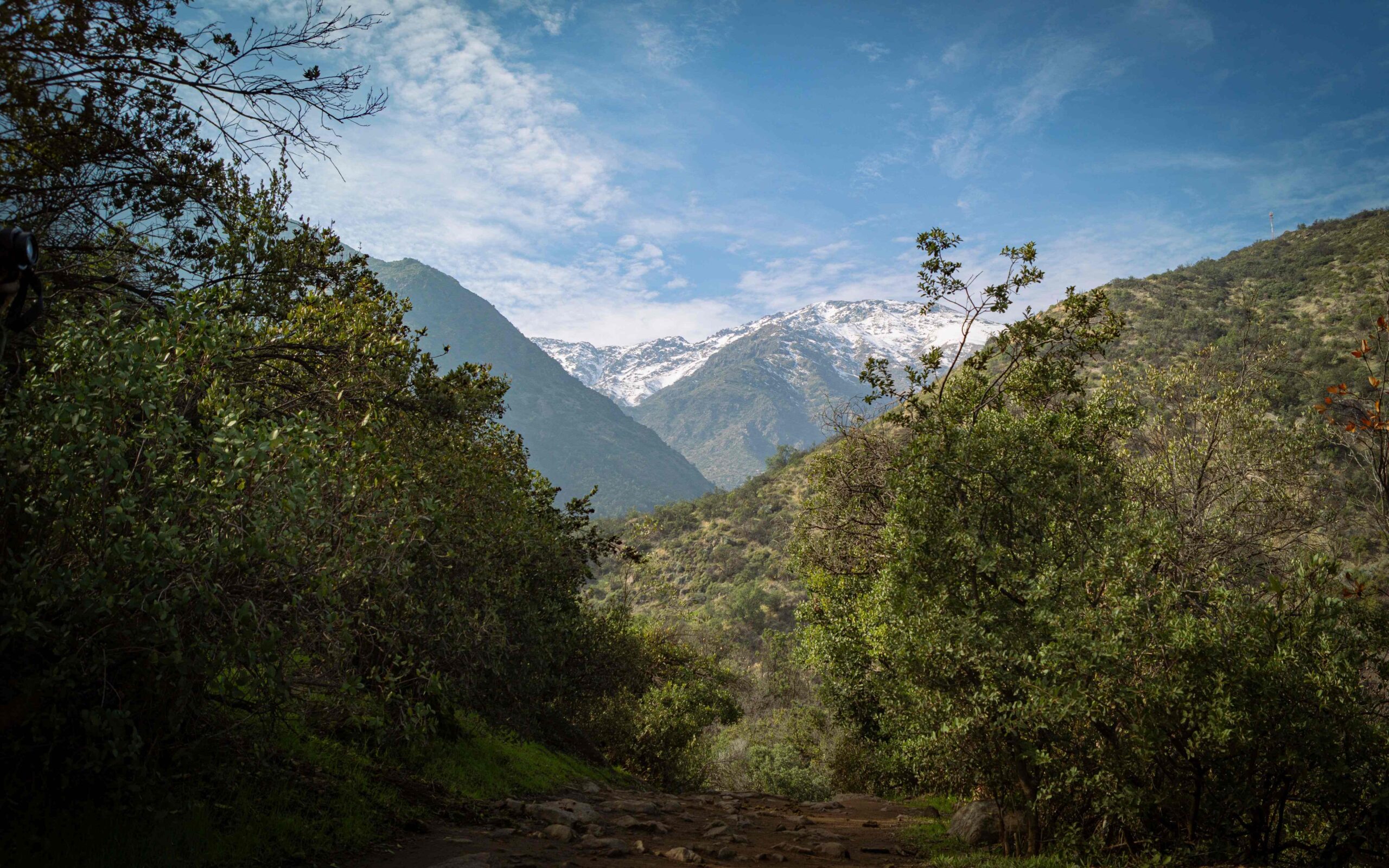
Imlil is one of the most important bases for hiking in the High Atlas and is closely associated with Mount Toubkal trekking.
The village sits in a mountainous landscape surrounded by valleys and higher peaks. It is suitable for travelers who want to spend a day walking through the mountains, as well as those preparing for a longer Toubkal itinerary.
A short visit can include village walks and mountain trails, while a Toubkal trek normally requires more preparation, equipment, and time.
Ourika Valley
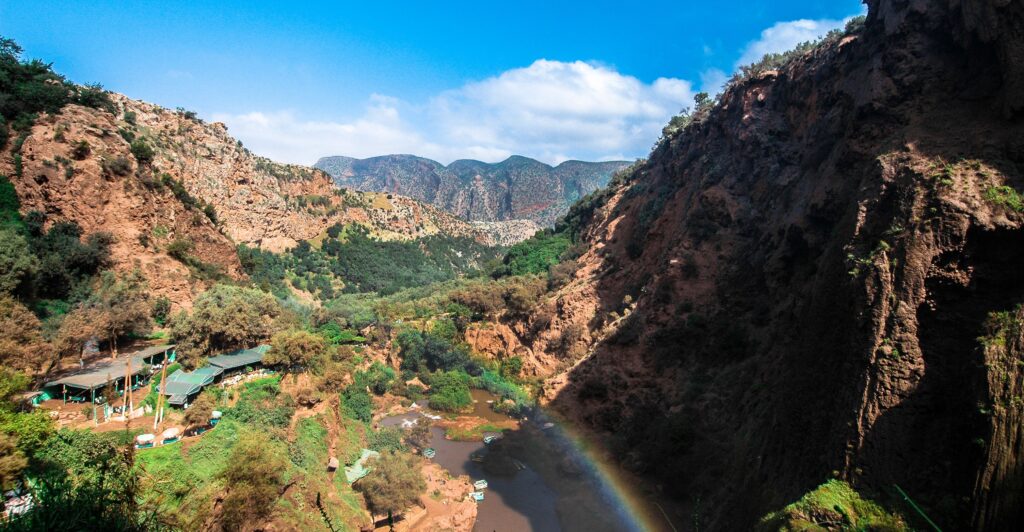
The Ourika Valley is one of the most accessible High Atlas areas from Marrakech. It is particularly suitable for travelers who want mountain scenery without committing to a multi-day trek.
A typical visit can combine road travel through the valley, village stops, walking, local food, and hiking around Setti Fatma. The difficulty depends on the specific trail, so visitors should not assume that every excursion is simply a relaxed walk.
For travelers staying in Marrakech, a day trip to Ourika Valley from Marrakech can provide a straightforward introduction to the High Atlas.
Ouzoud Waterfalls
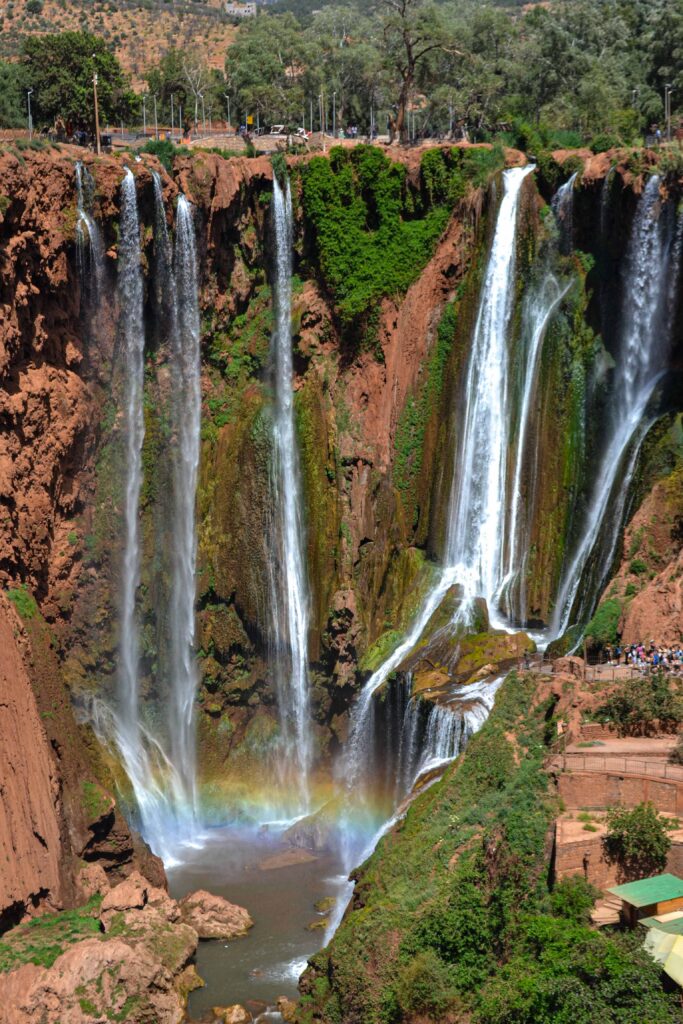
The Ouzoud Waterfalls are in the broader Atlas mountain region northeast of Marrakech. The waterfalls are surrounded by green landscapes and walking paths, making the area suitable for travelers who want nature without undertaking a high-altitude mountain trek.
Ouzoud is particularly useful as a full-day excursion from Marrakech, although its location and travel route are different from the Imlil-Toubkal area.
A day trip to Ouzoud Waterfalls can work well for travelers who want to combine waterfalls, walking, and mountain scenery in one day.
Aït Bouguemez Valley
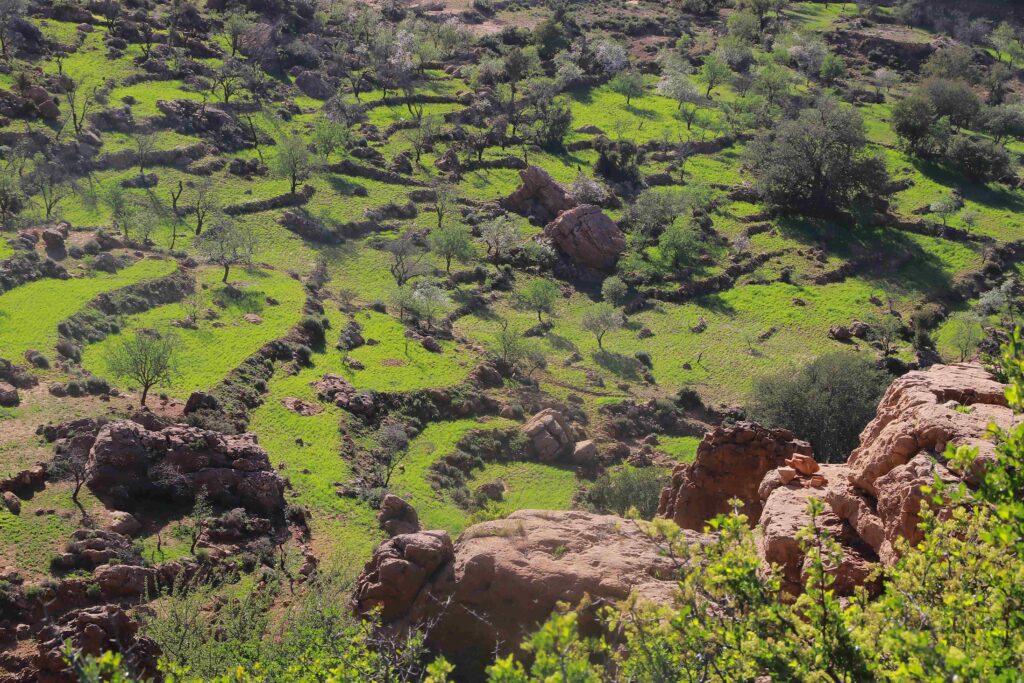
The Aït Bouguemez Valley, often called the Happy Valley, is a more rural High Atlas destination. It is known for cultivated landscapes, mountain scenery, Amazigh communities, and opportunities for walking and trekking.
It generally makes more sense as an overnight or multi-day destination than as a quick excursion from Marrakech. The valley is particularly suited to travelers interested in rural landscapes, hiking, and slower-paced travel.
Toubkal National Park
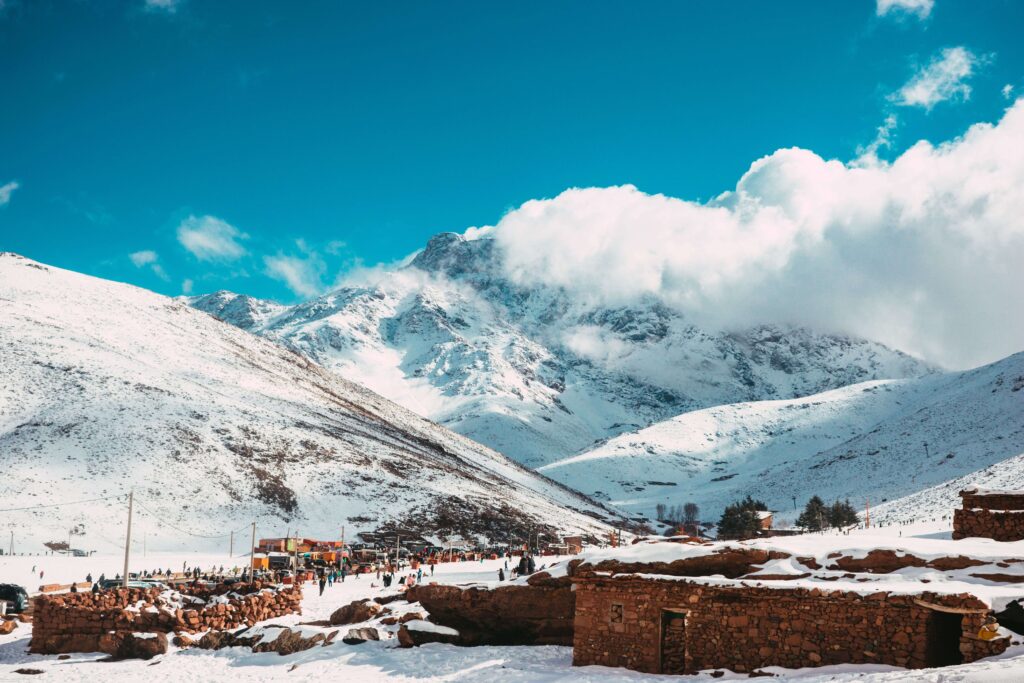
Toubkal National Park is one of Morocco’s most important mountain areas for trekking and biodiversity. It includes Mount Toubkal and surrounding High Atlas landscapes.
The park offers considerably more than a summit attempt. Travelers can explore mountain valleys and villages, while experienced hikers can undertake longer routes at higher elevations.
Things to Do in the Atlas Mountains
Hiking and Village Walks
You do not need to climb a major peak to experience the Atlas Mountains. Short walks around valleys and villages can provide an introduction to local landscapes and daily life.
These walks can suit travelers with average fitness, although terrain may be uneven and routes can include steep sections. A local guide is useful when the trail is unfamiliar, especially for longer walks or routes where navigation is not straightforward.
Multi-Day Trekking
Multi-day trekking allows you to travel more slowly through mountain valleys and spend nights away from Marrakech. This is a better option if your main interest is hiking rather than simply seeing the mountains from a vehicle.
Expect early starts, variable weather, uneven terrain, and significant differences in elevation depending on the route.
Visiting Amazigh Villages
Mountain villages offer an opportunity to see how communities have adapted agriculture, architecture, and daily life to steep terrain and seasonal conditions.
Visits are more respectful when travelers treat villages as lived-in communities rather than attractions. Ask before photographing people, respect private spaces, and use local services where possible.
Mountain Photography
The Atlas Mountains offer changing scenery throughout the day, including terraced fields, rocky slopes, valleys, villages, forests, and high peaks.
For photography, early morning and late afternoon often provide softer light. Weather can also transform visibility, so a clear mountain view is never guaranteed.
Local Food Experiences
Depending on the area, travelers may encounter home-style Moroccan dishes, bread, mint tea, couscous, tagine, and locally produced ingredients.
A meal in a village or mountain guesthouse can be a useful cultural experience, particularly when it directly supports local households.
Mount Toubkal: What Travelers Should Know
At 4,167 meters, Mount Toubkal is Morocco’s highest summit and the highest peak in North Africa. It is located in the High Atlas within the Toubkal National Park.
Most standard Toubkal itineraries begin around Imlil and involve ascending through the mountain area toward an overnight refuge before attempting the summit. Depending on the itinerary and conditions, the trek is commonly planned over two or more days.
The important point is that Toubkal is not simply a longer version of a Marrakech day trip.
Altitude, steep terrain, weather, and the length of the walking day all increase the physical demands. You should be comfortable with sustained uphill walking before attempting the summit, and altitude can affect people differently regardless of their general fitness.
For a Toubkal trek, consider:
- Proper hiking boots
- Warm layers
- Weather protection
- Gloves and a warm hat when conditions require them
- Sufficient water
- A suitable backpack
- Sun protection
- Headlamp
- Personal medication
- Sleeping equipment appropriate to your itinerary
- A qualified local guide where appropriate
Mountain conditions can change quickly, particularly at higher elevations. Winter conditions can be substantially more demanding than a summer valley walk.
What Is the Best Time to Visit the Atlas Mountains?
There is no single ideal season for every part of the Atlas Mountains.
Spring
Spring brings greener valleys, flowing water, and generally comfortable conditions at lower elevations. It can be a good period for valley walks and lower-elevation hiking.
Higher routes can still have snow or winter-like conditions, however, so conditions at the summit level may differ significantly from those around Marrakech.
Summer
Summer can be hot in lower valleys, particularly during the middle of the day. Higher elevations are generally cooler, which can make mountain trekking more comfortable for experienced hikers.
For day hikes, starting early is sensible. Sun exposure can be strong even when mountain temperatures feel comfortable.
Autumn
Autumn often provides cooler conditions than summer and can be suitable for hiking and village visits. As the season progresses, temperatures fall, especially at higher elevations.
Winter
Winter changes the character of the High Atlas considerably. Snow and ice can affect higher routes, including the Toubkal area. Technical equipment and winter mountain experience may be necessary depending on the route and current conditions.
The Middle Atlas can also experience cold and snowy conditions. Ifrane, for example, sits at a high elevation and is surrounded by cedar forests and mountain landscapes.
Always check current local weather and trail conditions before setting out.
How to Get to the Atlas Mountains from Marrakech
For visitors based in Marrakech, there are several practical options.
Private Transfer
A private vehicle offers flexibility. You can choose where to stop, adjust your schedule, and combine villages or viewpoints with a mountain walk.
This is particularly useful for families, groups, or travelers staying outside central Marrakech.
Organized Tour
An organized day trip can simplify transportation and logistics. This works well if you have limited time and want a straightforward visit to areas such as Ourika or Ouzoud.
Rental Car
Driving yourself provides independence, but mountain roads require attention. Road conditions, traffic, weather, and your chosen route can all affect journey times.
Local Transport
Public and shared transport can be practical for some destinations, but connections vary considerably by location. For remote trekking areas, travelers should plan the final section of the journey rather than assuming that a regular bus or taxi will take them directly to a trailhead.
Marrakech is also used as a starting point for longer Morocco routes crossing the High Atlas. For example, a 4-day desert tour from Marrakech crosses the High Atlas before continuing toward Aït Ben Haddou, Ouarzazate, the Dades Valley, and the Sahara.
How Many Days Do You Need in the Atlas Mountains?
The right amount of time depends on what you want to do.
One Day
A one-day Atlas Mountains visit works for travelers who want:
- Mountain scenery
- Village visits
- A short hike
- Lunch in a mountain setting
- A break from Marrakech
Ourika is particularly practical for this format, while Ouzoud can also work as a full-day nature excursion.
Two or Three Days
Two or three days allow you to slow down. You can stay in a mountain guesthouse, walk farther, visit villages, and experience the landscape outside the busiest daytime hours.
This is a better format for travelers who want the mountains themselves to be a significant part of the trip.
Longer Trekking Trips
If your priority is Mount Toubkal or multi-day trekking, plan around the hiking itinerary rather than trying to fit the mountains between other attractions.
Travelers interested in combining the mountains with the Sahara can also choose a longer Morocco itinerary. For example, a 4-day desert tour from Fes to Marrakech crosses the Middle Atlas early in the route and the High Atlas toward the end.
What to Pack for the Atlas Mountains
Your packing list should depend on elevation, season, and trip duration.
For a Day Trip or Short Walk
- Comfortable walking shoes
- Lightweight layers
- Water bottle
- Sun protection
- Hat and sunglasses
- Small backpack
- Phone and power bank
- Personal medication
- Light rain protection when appropriate
For Serious Trekking
Add:
- Proper hiking boots
- Warm insulating layers
- Waterproof outer layer
- Warm hat and gloves
- Headlamp
- Larger backpack
- Trekking poles if useful
- Basic first-aid supplies
- Sleeping equipment according to the itinerary
- Extra food or snacks as required
Do not assume that temperatures will match Marrakech. The difference between a city at lower elevation and a high mountain trail can be substantial.
Hiking Safety and Responsible Travel
Atlas Mountains hiking is accessible to many travelers, but preparation matters.
Check the weather. Mountain conditions can change quickly, particularly at higher elevations.
Choose a route that matches your fitness level. A village walk and a Toubkal summit attempt are very different physical experiences.
Consider a qualified local guide. Guides can be particularly useful for unfamiliar trails, longer treks, high-altitude routes, and changing conditions.
Carry enough water. Do not assume every trail has reliable drinking-water sources.
Respect altitude. Headaches, nausea, unusual fatigue, and other symptoms can occur at elevation. If you feel unwell, do not simply push toward a higher altitude.
Respect local communities. Ask before photographing people, dress appropriately in villages, and avoid entering private property without permission.
Leave no litter. Carry waste back with you and avoid damaging vegetation or natural features.
Supporting locally owned guesthouses, guides, restaurants, transport providers, and other services can also help direct tourism spending toward mountain communities.
Atlas Mountains and Amazigh Culture
The mountains are home to many Amazigh communities, whose languages, traditions, agriculture, architecture, and social practices form an important part of Morocco’s cultural heritage.
In the High Atlas, agriculture and livestock have historically played an important role in mountain livelihoods. Villages are often closely connected to surrounding terraces, orchards, grazing areas, and water sources.
Mountain architecture varies by region but can include homes and communal structures adapted to local materials and terrain.
For visitors, cultural interaction is best approached with curiosity and respect. A village is not a stage set for tourists; it is someone’s home. Choose experiences that provide fair value to local residents, follow local customs, and avoid treating poverty or traditional lifestyles as entertainment.
Atlas Mountains from Marrakech: Which Experience Should You Choose?
Your available time makes a major difference.
Choose a day trip if you have limited time and mainly want mountain scenery, villages, a short walk, and a local meal.
Choose an overnight stay if you want a quieter experience and more time for walking and village exploration.
Choose a multi-day trek if hiking is one of the main purposes of your Morocco trip.
Choose a Toubkal itinerary if you specifically want to attempt Morocco’s highest summit and are prepared for the physical and altitude-related demands.
The important distinction is that “seeing the Atlas Mountains” and “trekking in the Atlas Mountains” are not the same type of trip.
Frequently Asked Questions
The Atlas Mountains extend across a large part of Morocco. The High Atlas runs through the center of the country, with important visitor areas south of Marrakech, while the Middle Atlas lies farther northeast around places such as Ifrane and Azrou. The Anti-Atlas is farther south toward the Sahara and southern Morocco.
Yes. Marrakech is a practical base for visiting several parts of the High Atlas. Ourika Valley can be visited on a day trip, while Imlil and the Toubkal area are suitable for longer hiking itineraries.
It depends on your interests. Imlil and Toubkal suit hiking and trekking, Ourika works well for a shorter mountain escape from Marrakech, Aït Bouguemez suits slower rural travel and trekking, while the Middle Atlas around Ifrane offers forests, lakes, and cooler landscapes.
One day is enough for a basic mountain excursion, while two or three days allow deeper exploration. Serious Toubkal and multi-day trekking itineraries require additional time based on the route, pace, and conditions.
Yes, beginners can hike in suitable areas, but not every Atlas Mountains route is beginner-friendly. Short valley and village walks can be appropriate for people with basic fitness, while high-altitude routes and Toubkal require greater preparation.
The best season depends on the activity and elevation. Spring and autumn can provide comfortable conditions for many lower- and mid-elevation walks, while summer can work well for higher trekking but may be hot in valleys. Winter can bring snow and more demanding conditions at high elevations.
It can be possible for first-time mountain trekkers with adequate preparation, but Toubkal should not be treated as an easy hike. The 4,167-meter elevation, sustained ascent, weather, and altitude make it considerably more demanding than a typical day hike.
The Atlas Mountains in Morocco offer much more than a single famous peak. The High Atlas around Marrakech provides accessible valleys, Amazigh villages, and serious trekking routes, while the Middle Atlas offers forests and lakes and the Anti-Atlas presents a drier, more rugged landscape.
For a short Morocco trip, a day in Ourika or another accessible mountain area can provide a useful introduction. With two or three days, travelers can slow down, stay in a mountain village, and explore farther on foot. Those planning a Toubkal ascent or multi-day trek should allow enough time for weather flexibility and the physical demands of the route.
The best approach is to choose the Atlas destination according to your time, interests, fitness level, and season rather than treating the entire mountain system as one attraction.