
Inside the Traditional Moroccan Hammam Experience for Tourists
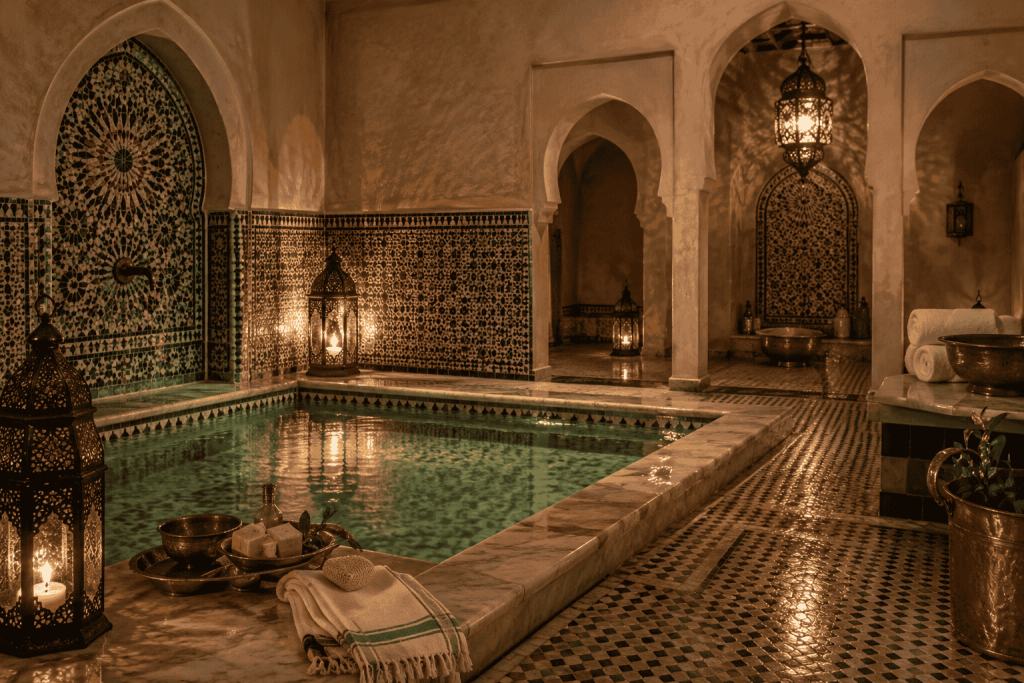
The traditional Moroccan hammam experience is one of the most important cultural rituals in Morocco and one of the most memorable experiences for travelers visiting the country. More than just a spa treatment, the hammam is deeply connected to Moroccan daily life, social traditions, relaxation, and purification practices that have existed for centuries.
Across Morocco, hammams can be found everywhere:
- Inside ancient medinas
- In local neighborhoods
- Luxury riads
- Traditional bathhouses
- Modern wellness spas
For locals, visiting the hammam is often part of a weekly routine. For tourists, it becomes a fascinating cultural experience combining steam baths, exfoliation, cleansing rituals, and traditional Moroccan hospitality.
Unlike Western spa culture, the traditional Moroccan hammam focuses on deep cleansing and communal ritual rather than luxury alone.
For travelers wanting to experience Moroccan culture beyond sightseeing, a traditional Moroccan hammam experience offers one of the country’s most authentic and relaxing traditions.
What Is a Moroccan Hammam?
Morocco’s Traditional Steam Bath
A Moroccan hammam is a traditional public bathhouse based on steam cleansing rituals practiced throughout North Africa and the Middle East.
The hammam experience usually involves:
- Steam rooms
- Hot water washing
- Black soap cleansing
- Skin exfoliation
- Relaxation treatments
Historically, hammams served as important social spaces where communities gathered regularly for hygiene, conversation, and wellness.
Today, hammams continue to play a central role in Moroccan culture.
What Happens During a Traditional Moroccan Hammam Experience?
Step-by-Step Hammam Ritual
The traditional Moroccan hammam follows a cleansing process designed to purify and relax the body.
Steam and Heat Preparation
Visitors first spend time inside a warm steam room to:
- Open pores
- Relax muscles
- Prepare the skin for cleansing
The humid atmosphere becomes an essential part of the experience.
Black Soap Application
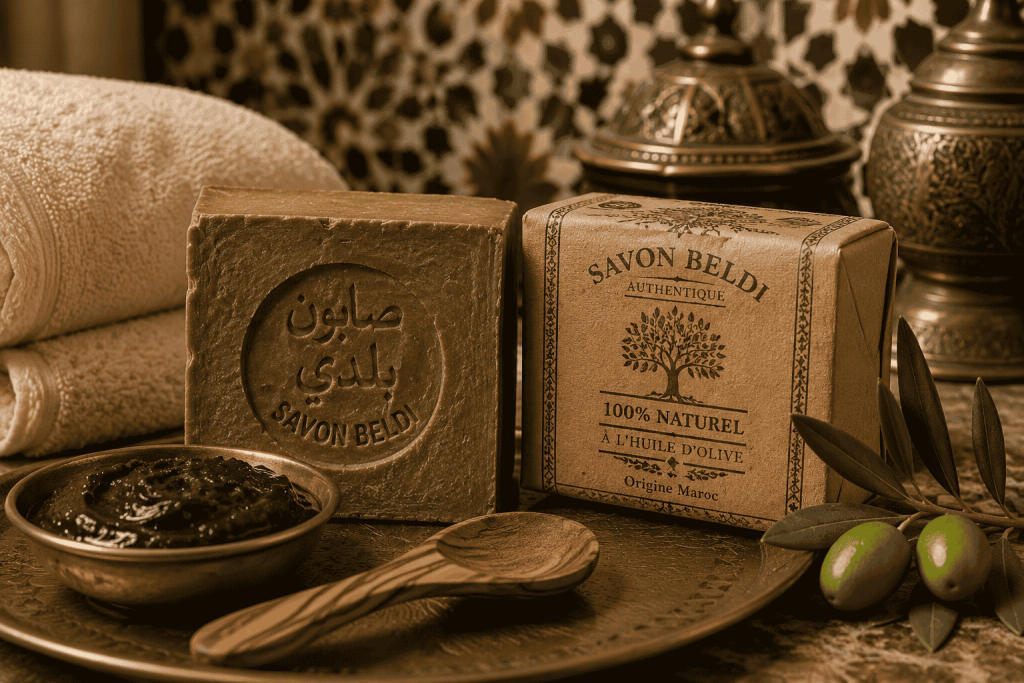
A special Moroccan black soap called “savon beldi” is applied to the body.
This olive-based soap helps:
- Soften the skin
- Remove impurities
- Prepare for exfoliation
The soap remains one of the most important products used in Moroccan hammams.
Exfoliation With the Kessa Glove
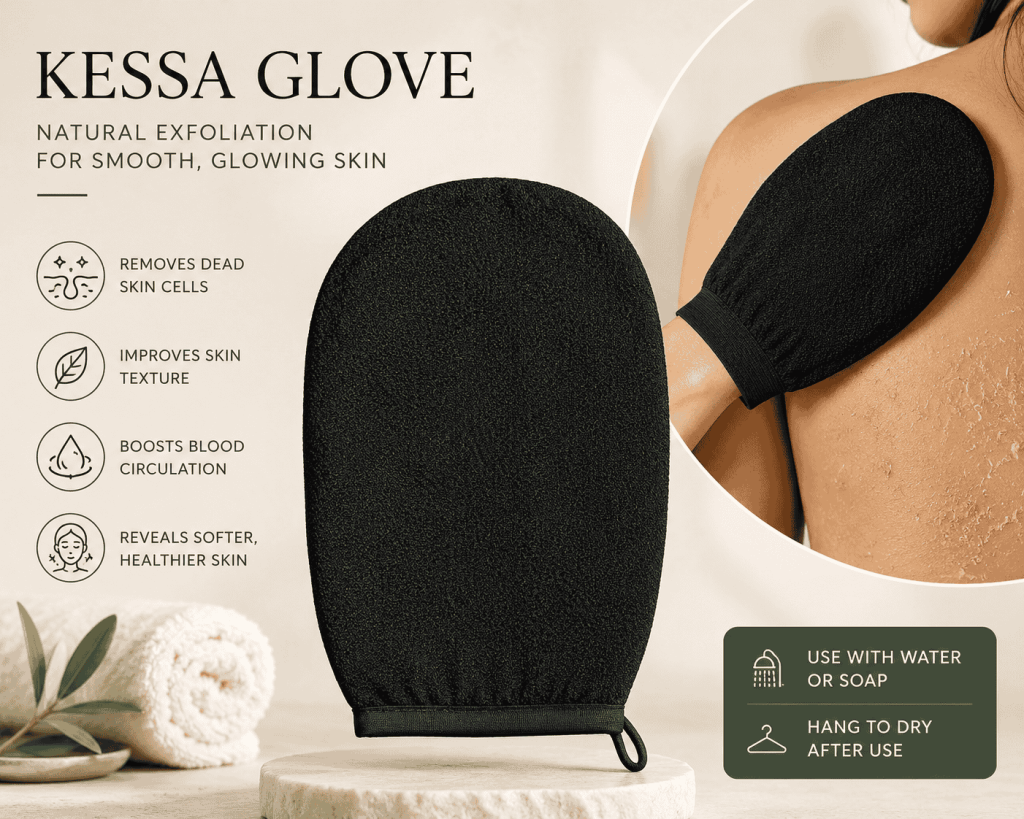
One of the most famous parts of the hammam experience is the exfoliation ritual using a rough glove called a “kessa.”
An attendant scrubs the skin firmly to remove:
- Dead skin
- Dirt
- Impurities
For first-time visitors, the scrubbing can feel surprisingly intense compared to Western spa treatments.
Rinsing and Relaxation
After exfoliation, the body is rinsed thoroughly using warm water.
Some hammams may also include:
- Clay masks
- Argan oil treatments
- Hair washing
- Massage sessions
Luxury hammams often add modern spa services to the traditional ritual.
Traditional Hammams vs Luxury Tourist Hammams
Two Very Different Experiences
Morocco offers both local hammams and luxury spa-style hammams.
Local Hammams
Traditional neighborhood hammams are:
- Affordable
- Authentic
- Used mainly by locals
- More communal
- Simpler in design
These hammams provide the most culturally authentic experience.
Luxury Hammams
Luxury hammams are commonly found in:
- Riads
- Boutique hotels
- Wellness spas
These experiences often include:
- Private rooms
- Professional treatments
- Aromatherapy
- Modern comfort
Luxury hammams are generally more comfortable for first-time tourists unfamiliar with local bathhouse culture.
Are Moroccan Hammams Separated for Men and Women?
Gender Separation in Traditional Hammams
Yes, traditional Moroccan hammams are usually separated by gender.
This separation typically happens through:
- Different schedules
- Separate entrances
- Different bathing areas
Men and women generally attend hammams at different times or in completely separate spaces.
Luxury tourist hammams may offer:
- Private couples experiences
- Individual treatment rooms
- Mixed spa facilities
What Should Tourists Bring to a Moroccan Hammam?
Essential Items for First-Time Visitors
Visitors should bring:
- Flip-flops
- Towel
- Underwear or swimsuit
- Shampoo
- Change of clothes
Some hammams provide towels and products, especially in tourist establishments.
Traditional local hammams may require visitors to bring their own supplies.
What Makes Moroccan Hammams Unique?
A Deeply Cultural Experience
Unlike modern spas focused mainly on relaxation, Moroccan hammams remain deeply connected to:
- Community traditions
- Religious cleansing practices
- Social rituals
- Wellness culture
The experience feels far more immersive and communal than many Western spa environments.
For many Moroccans, hammam visits continue to represent an important weekly tradition.
Best Cities to Experience a Moroccan Hammam
Marrakech, Fes, Casablanca, and More
Travelers can find excellent hammams across Morocco, especially in:
Historic medinas often contain some of the country’s oldest traditional bathhouses.
Marrakech in particular is famous for combining:
- Luxury hammams
- Traditional local bathhouses
- Spa tourism experiences
Moroccan Hammam Etiquette
Important Cultural Tips
Visitors should respect local customs during hammam visits.
Important etiquette includes:
- Wearing appropriate clothing
- Respecting gender separation
- Following staff instructions
- Avoiding loud behavior
- Maintaining privacy for other guests
Traditional hammams remain important community spaces for locals.
The Health and Wellness Benefits
Why Moroccans Continue the Tradition
Many Moroccans visit hammams regularly because of perceived benefits including:
- Deep skin cleansing
- Relaxation
- Improved circulation
- Stress reduction
- Muscle relaxation
The steam and exfoliation combination leaves skin feeling noticeably refreshed.
Moroccan Hammams and Tourism
One of Morocco’s Most Popular Cultural Experiences
Today, hammams have become one of Morocco’s top tourism experiences.
Travelers often include hammam visits after:
- Desert tours
- Medina exploration
- Long travel days
- Hiking excursions
The experience combines wellness with cultural discovery in a uniquely Moroccan way.
How Much Does a Moroccan Hammam Experience Cost?
Prices From Local to Luxury
Prices vary greatly depending on the type of hammam.
Traditional local hammams:
- Very affordable
- Budget-friendly
Luxury tourist hammams:
- Higher-end spa pricing
- Premium services
- Private experiences
Costs usually depend on:
- Location
- Services included
- Level of luxury
- Massage treatments
Why Every Traveler Should Try a Moroccan Hammam
More Than a Spa Visit
A traditional Moroccan hammam experience allows travelers to connect with Moroccan daily life in a direct and authentic way.
It offers:
- Cultural immersion
- Physical relaxation
- Traditional wellness practices
- Local social traditions
For many visitors, the hammam becomes one of the most memorable non-touristic experiences in Morocco.
1. What happens during a traditional Moroccan hammam experience?
The experience usually includes steam bathing, black soap cleansing, exfoliation with a kessa glove, rinsing, and relaxation treatments.
2. What should tourists bring to a Moroccan hammam?
Visitors should bring flip-flops, a towel, toiletries, clean clothes, and appropriate swimwear or underwear.
3. Are Moroccan hammams separated for men and women?
Yes, traditional Moroccan hammams are usually separated by gender through schedules or separate bathing areas.
4. How much does a Moroccan hammam experience cost?
Prices vary depending on whether the hammam is local or luxury, with traditional hammams generally being much more affordable.
5. What are the best traditional hammams in Morocco for tourists?
The traditional Moroccan hammam experience remains one of Morocco’s most authentic cultural rituals and one of the best ways for travelers to understand daily Moroccan life beyond sightseeing.
From steam rooms and black soap cleansing to exfoliation rituals and community traditions, the hammam reflects centuries of Moroccan wellness culture and social heritage.
Whether visiting a simple local bathhouse or a luxury riad spa, travelers discover far more than relaxation alone — they experience a tradition deeply connected to Moroccan identity, hospitality, and everyday life.
For anyone exploring Morocco, the hammam is not simply optional tourism. It is one of the country’s most iconic and unforgettable cultural experiences.