
Why Moroccan Tea Culture Is Different From Any Other Country
In Morocco, tea is part of daily life in a way that surprises many visitors.
It appears constantly. In homes, shops, village streets, offices, roadside cafés, and desert camps. Sometimes a conversation starts with tea before names are even exchanged.
People do not usually prepare it quickly or drink it while rushing somewhere else. Tea often means people are staying for a while.
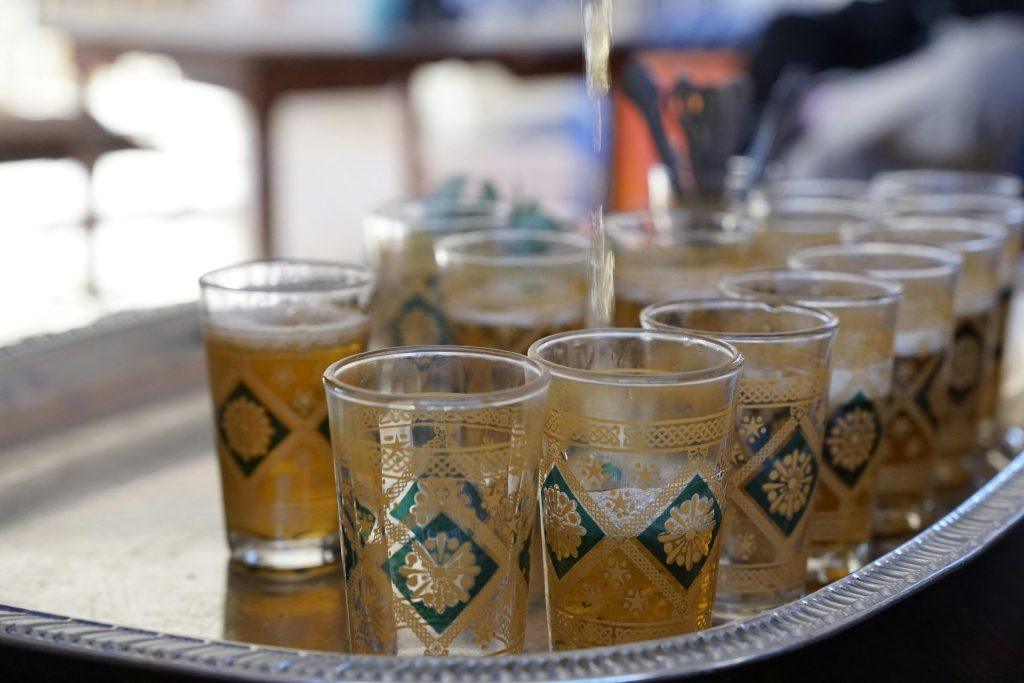
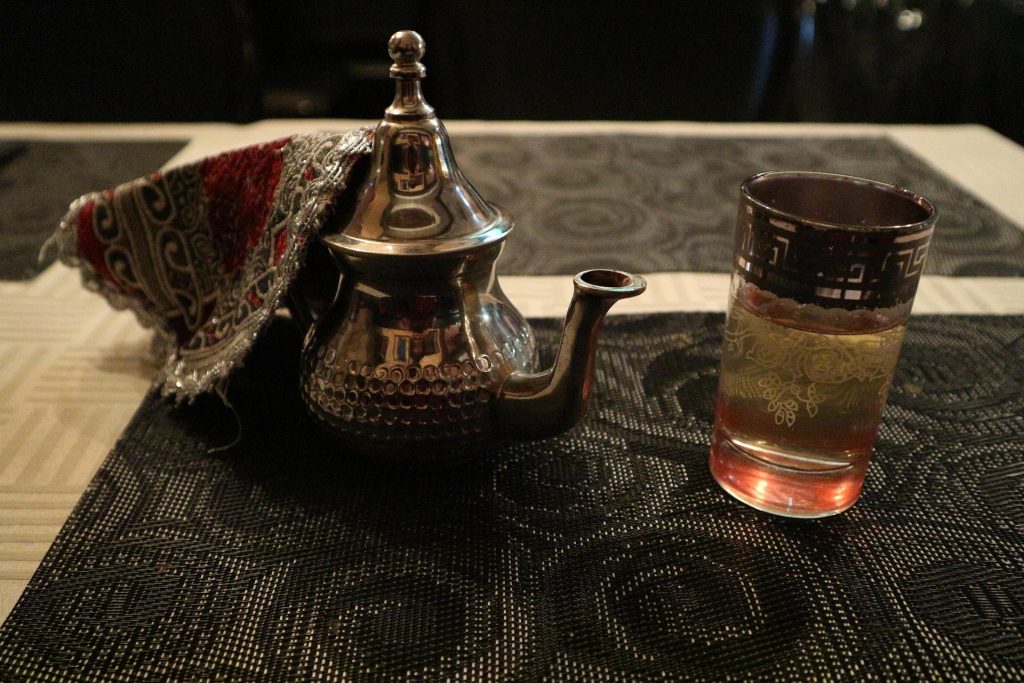
A visitor entering a Moroccan home will usually notice the same thing: someone disappears into the kitchen, the sound of glasses begins, and a silver teapot appears a few minutes later beside fresh mint leaves and sugar.
The tea itself matters, but the moment around it matters more.
Across Morocco, tea became tied to ideas of hospitality, family, respect, and social life over generations. That is why Moroccan tea culture feels different from what many travelers know elsewhere.
What Moroccans Call Tea
“Atay” in Everyday Language
Most Moroccans simply call tea “Atay.”
The version most people know is mint tea made with:
- Chinese green tea
- Fresh mint
- Sugar
- Hot water
The taste can change depending on the region or the family preparing it.
Some tea is extremely sweet. Some is stronger and more bitter. In colder mountain areas, herbs like sage or thyme are sometimes added during winter months.
Even though the ingredients are simple, tea preparation is treated carefully in most households.
Tea Arrived in Morocco Centuries Ago
How It Became Part of Moroccan Identity
Tea was not originally Moroccan.
Historians believe green tea entered Morocco through trade routes during the 18th and 19th centuries. Over time, Moroccans adapted it into their own tradition by adding mint and large amounts of sugar.
Eventually, tea became part of everyday social life across the country.
Today it is difficult to imagine Moroccan daily life without it.
Tea Is Connected to Hospitality
Why Guests Are Offered Tea Immediately
Offering tea is considered a normal act of respect in Morocco.
When guests arrive at a home, tea is often prepared automatically. The same thing happens in many small businesses and shops.
In some rural areas, visitors may be offered tea even before discussing why they came.
Tea appears during:
- Family visits
- Weddings
- Religious celebrations
- Business conversations
- Evening gatherings
The idea behind it is simple: people should feel welcomed properly.
Preparing Tea Is Part of the Ritual
The Famous Moroccan Pouring Style
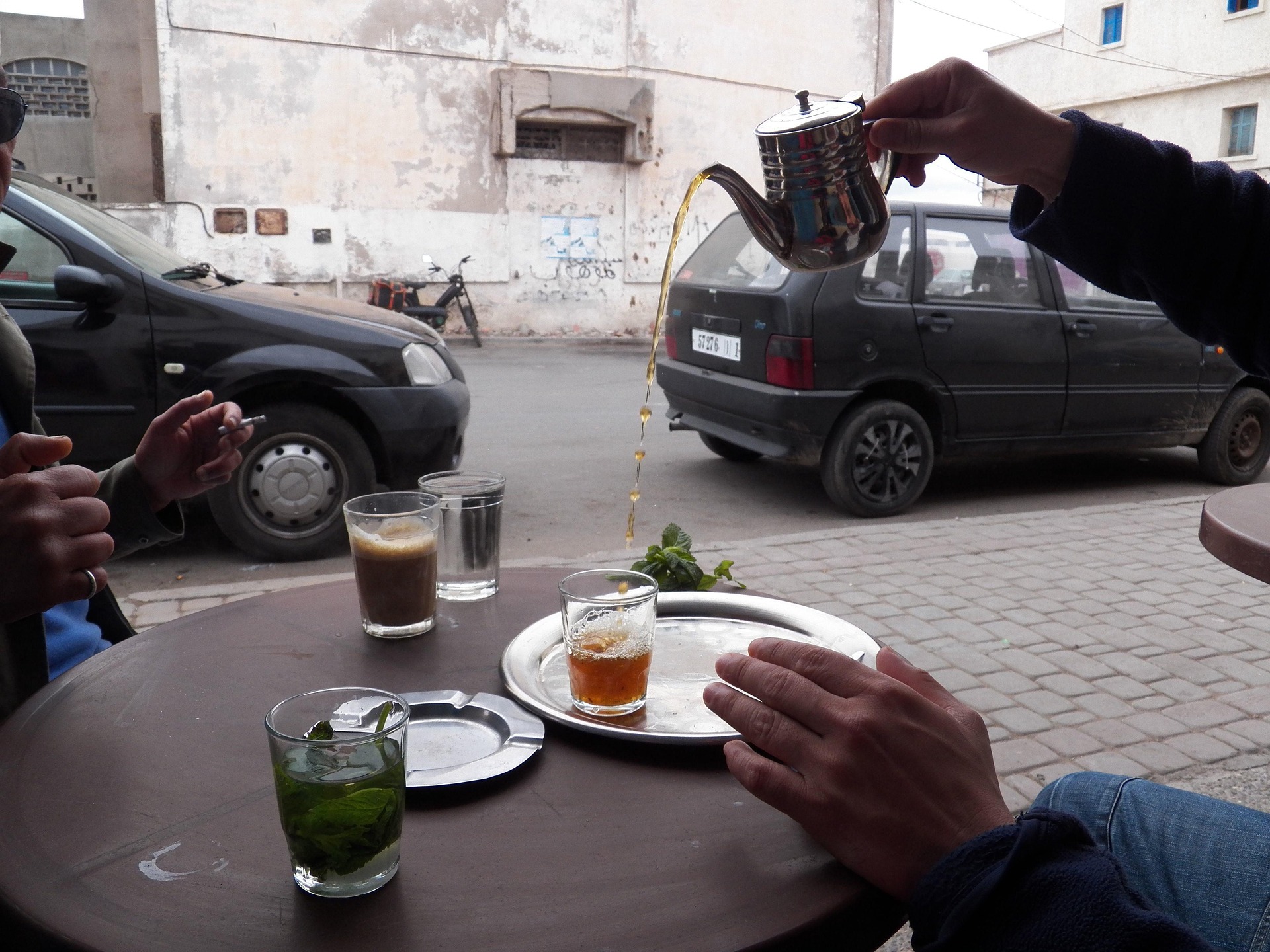
One of the most recognizable parts of Moroccan tea culture is the way tea is poured.
The person serving tea usually lifts the teapot high above the glass while pouring. This creates foam at the top.
The foam is important because many Moroccans see it as a sign the tea was prepared correctly.
The preparation itself follows several steps:
- Washing the tea leaves
- Adding mint
- Mixing sugar
- Pouring repeatedly between glasses and teapot
Many people learn this process by watching parents or grandparents prepare tea at home.
Tea Slows Down Social Life
Conversations Often Last Longer Around Tea
Tea changes the rhythm of conversation in Morocco.
People often sit together for long periods while drinking several glasses. Discussions move slowly. Nobody seems in a hurry to finish.
In cafés, groups of men sometimes spend entire evenings talking over tea. Inside homes, families gather around tea trays after meals or during visits.
The drink itself becomes part of social time.
That is one reason many travelers remember tea experiences more clearly than expected.
Tea Exists in Every Region of Morocco
Cities, Mountains, and Desert Communities
Tea traditions exist across the entire country, although habits vary slightly depending on the region.
In the Sahara:
- Tea is often stronger
- Serving tea to travelers carries special importance
In Amazigh mountain villages:
- Herbal additions are more common
In larger cities:
- Tea is served constantly during social visits and family gatherings
Despite regional differences, mint tea remains one of the few traditions shared almost everywhere in Morocco.
Tea During Ramadan
An Important Part of Evening Gatherings
During Ramadan, tea becomes even more present in Moroccan homes.
After sunset, families gather around ftour meals where tea is served with:
- Dates
- Chebakia
- Bread
- Pastries
- Soup
In many households, the smell of mint tea becomes strongly associated with Ramadan evenings.
Tea is also served late into the night while relatives and neighbors continue visiting each other.
Tea in the Sahara Desert
Hospitality in Desert Culture
In desert regions, tea carries another layer of meaning.
Among Saharan communities, offering tea traditionally symbolized generosity toward guests and travelers crossing difficult environments.
Inside desert camps today, tea is still commonly prepared after dinner around campfires.
Many visitors remember these moments clearly because the setting changes the experience completely:
- silence
- cold night air
- stars
- slow conversation around the fire
The tea becomes part of the memory itself.
Moroccan Tea Is Usually Shared, Not Individual
The Difference Many Visitors Notice
In many countries, tea is treated as an individual drink.
In Morocco, tea is usually collective.
One teapot is placed in the middle.
Everyone drinks from similar glasses.
People refill each other’s cups.
The ritual creates interaction naturally.
Even silence around tea often feels social rather than awkward.
Can Tourists Experience Real Moroccan Tea Culture?
Mostly Through Everyday Moments
The most genuine tea experiences usually happen naturally rather than through organized activities.
Travelers often experience Moroccan tea culture:
- inside family-run riads
- during village visits
- in local homes
- at roadside stops
- during long conversations with guides or shopkeepers
These moments are usually simple and unplanned.
That simplicity is often what people remember most.
Why Tea Traditions Continue Today
Modern Life Changed, But Tea Stayed
Morocco changed rapidly in recent decades.
Large cities became more modern, lifestyles became faster, and younger generations adopted many international habits.
Yet tea remained constant.
Families still prepare it daily.
Guests are still welcomed with it.
Conversations still happen around it.
For many Moroccans, tea continues to represent something stable inside everyday life.
1. What makes Moroccan mint tea different from other tea traditions?
Moroccan tea is strongly connected to hospitality, social gatherings, and slow conversation rather than quick individual consumption.
2. Where can tourists experience authentic Moroccan tea culture?
Many travelers experience it naturally in homes, riads, villages, desert camps, cafés, and family-run guesthouses.
3. What ingredients are used in traditional Moroccan tea?
Traditional Moroccan tea usually contains green tea, mint leaves, sugar, and hot water.
4. Why is tea important in Moroccan hospitality culture?
Offering tea is traditionally seen as a way to welcome guests and show respect.
5. Can tourists join Moroccan tea ceremonies during cultural tours?
Yes. Tea is often included naturally during village visits, desert stays, and cultural activities across Morocco.
Tea became part of Moroccan life because it brings people together.
Across cities, villages, mountains, and desert communities, the ritual stayed almost unchanged for generations. Not because of tourism or tradition alone, but because people continued finding value in sitting together without rushing.
That is why Moroccan tea culture feels different.
It is not only about what people drink. It is about how people spend time with each other.
Тут множество полезной информации.
https://bookmarks.sochidaily.ru/7jw7SsKEs5qq/